 Krakow Wiki
- December 21, 2020

- Krakow Wiki
- December 3, 2020
- Krakow Wiki
- December 3, 2020
- Krakow Wiki
- December 3, 2020
- Krakow Wiki
- December 3, 2020
- Krakow Wiki
- December 3, 2020
- Krakow Wiki
- December 3, 2020
- Krakow Wiki
- December 3, 2020
- Krakow Wiki
- December 3, 2020
- April 4, 2024
- March 25, 2024
- March 25, 2024
- March 22, 2024
- Krakow Wiki
- October 17, 2016
- Krakow Wiki
- March 24, 2017
- Krakow Wiki
- October 25, 2016
- Krakow Wiki
- January 25, 2021

- Krakow Wiki
- February 19, 2021
- Krakow Wiki
- November 23, 2016
- Krakow Wiki
- March 22, 2024


- Krakow Wiki
- November 22, 2016
- Krakow Wiki
- November 15, 2016
 In connection with coronavirus spread in Poland, further restrictions has been introduced around the country. On the 31 th of March, Polish government announced new mandatory regulations in order to mitigate the virus. The restrictions apply to every person staying in the country right now and they will remain in force until further notice. It...
- Enthronement of the Fowler King is one of the oldest traditions of Krakow – it probably first came to life about 600 years ago! The Fowler King is a title with an unusual pedigree. Its roots date back to the 13th century, when Krakow was surrounded by fortified city walls. It was probably back then, that the...
- Lajkonik is the most popular symbol of Krakow and the Lajkonik Procession is the most colourful local tradition. It takes place every year, eight days after Corpus Christi. This tradition dates back to the mid-18th century, but the Lajkonik Procession actually brings back the 13th-century story of a successful defeat of the Tatar horde by the brave lightermen...
- The liquidation of Krakow ghetto took place on 13th and 14th of March 1943. It was a tragic day not only for the Jewish community of Krakow, but also to the entire city. This event had marked the definitive end of the time when Poles and Jews were living alongside one another. Today, the history...
- St. John’s Fair is a few days of outdoor events maintained in a historical setting. In June, a few days before Feast of St. John the Baptist (in Polish noc świętojańska, noc Kupały) the most authentic medieval town is built on the riverbank just at the foot of Wawel Hill. Craftsmen and artists bring back...

- Krakow Wiki
- February 11, 2021
- Krakow Wiki
- January 11, 2017
- Krakow Wiki
- January 10, 2017
- Krakow Wiki
- November 23, 2016
- Krakow Wiki
- October 7, 2016
- Krakow Wiki
- April 11, 2017
- Krakow Wiki
- October 17, 2016
- Krakow Wiki
- October 14, 2016
- Krakow Wiki
- October 5, 2016
- Krakow Wiki
- October 25, 2016
- Krakow Wiki
- October 28, 2016
- Krakow Wiki
- November 11, 2016
There are few people in this world who have not heard of the incredibly charming city of Krakow. The former capital of Poland, a place of many cultural events, the center of student life, but also a treasury of precious Polish monuments. As a certain Chinese proverb says:
“It is better to see something once than to hear about it a thousand times”.
To visit these unique places, to feel the local climate, to get to know the culture and people living here, and to taste the wonderful regional delicacies.
Many programs are broadcasted on television, promoting the tourism of Cracow, on the shelves lie thousands of books relating to the history of this city, but also current attractions for tourists from around the world.
Krakow is a place of amazing cultural mix, a place where life goes on both day and night. Art, music, colorful life of local students as well as the center of growing international corporations. Fortunately, globalization hasn’t erased the local culture and ancient monuments.
Both young and old will find something for themselves here. Fans of admiring monuments and museums, those who like good fun and night life, or parents with small children who want to relax and taste delicious food with beautiful views.
Krakow offers its visitors a lot of excitement and attractions in every season of the year. Summer, autumn or winter … here all the time, something is happening.
Concerts of world-famous people, international conferences, numerous demonstrations of modern technologies or art exhibitions are organized here. If you’re looking for cultural events, check out the annual festivals, Christmas markets and sporting events.
Obligatory sights
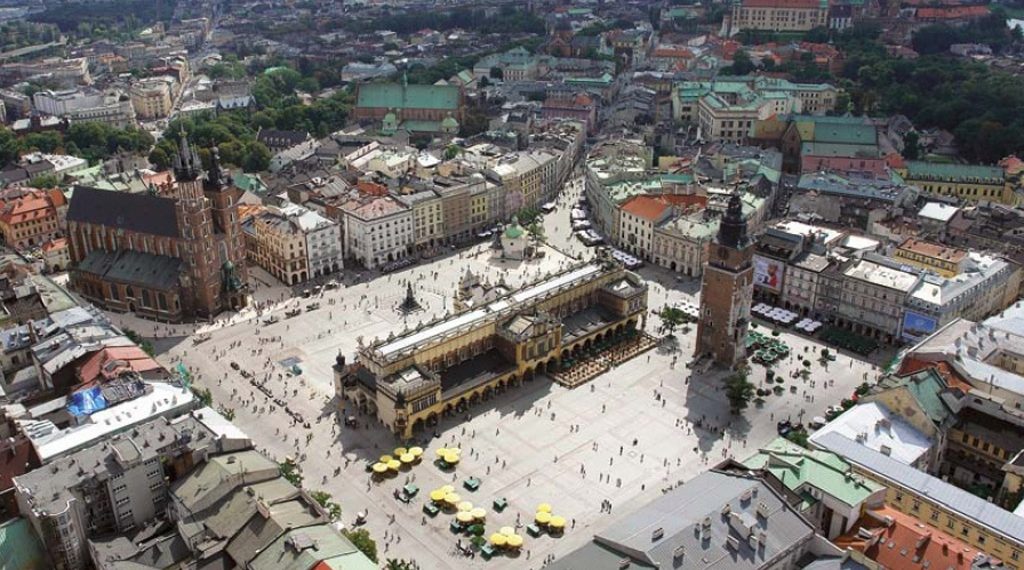
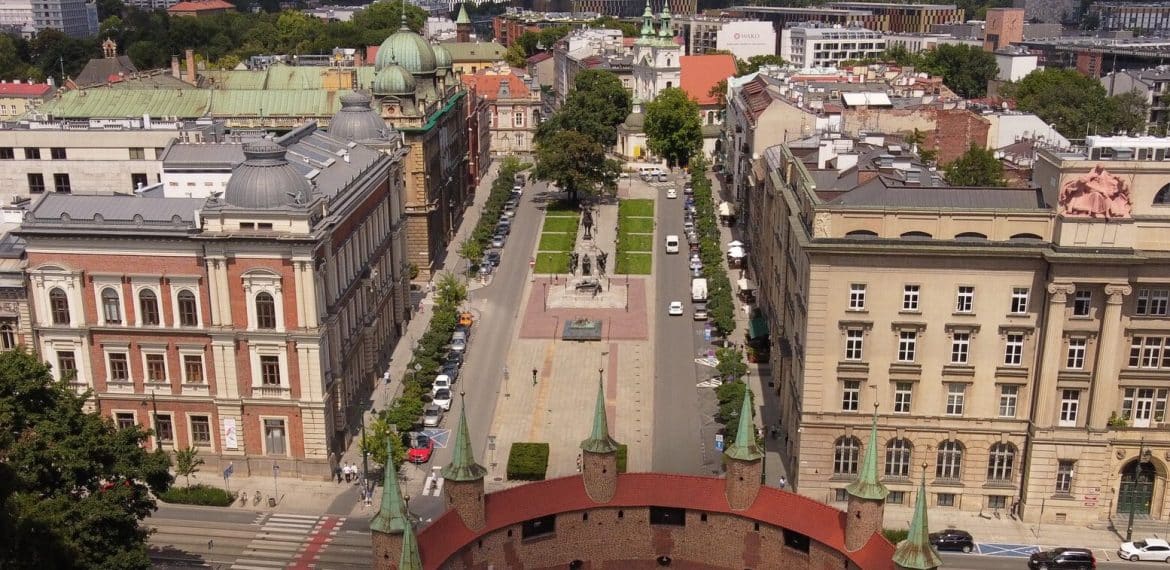
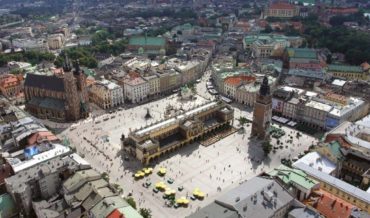
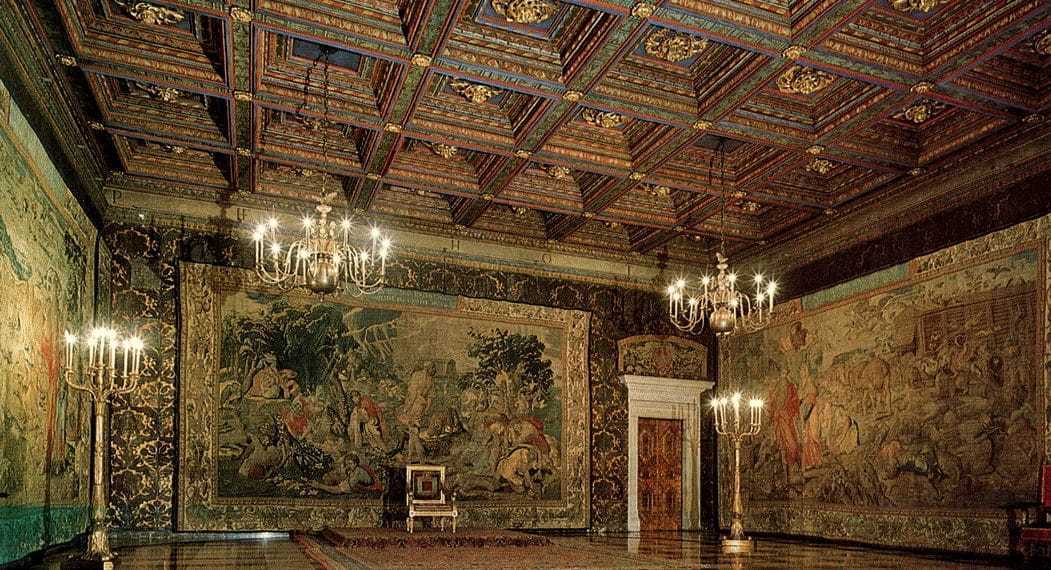
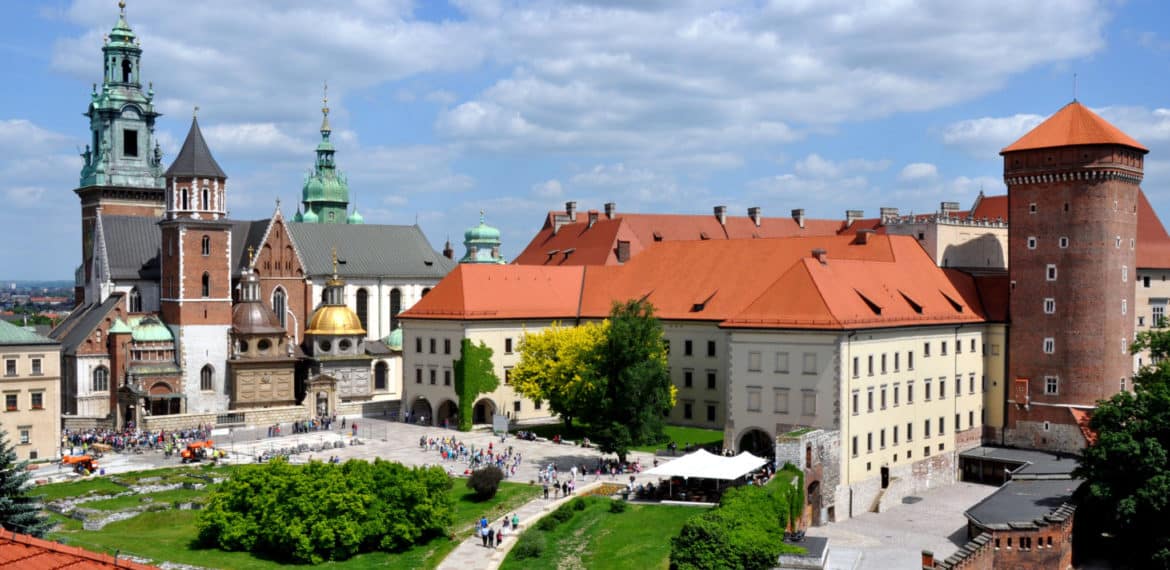
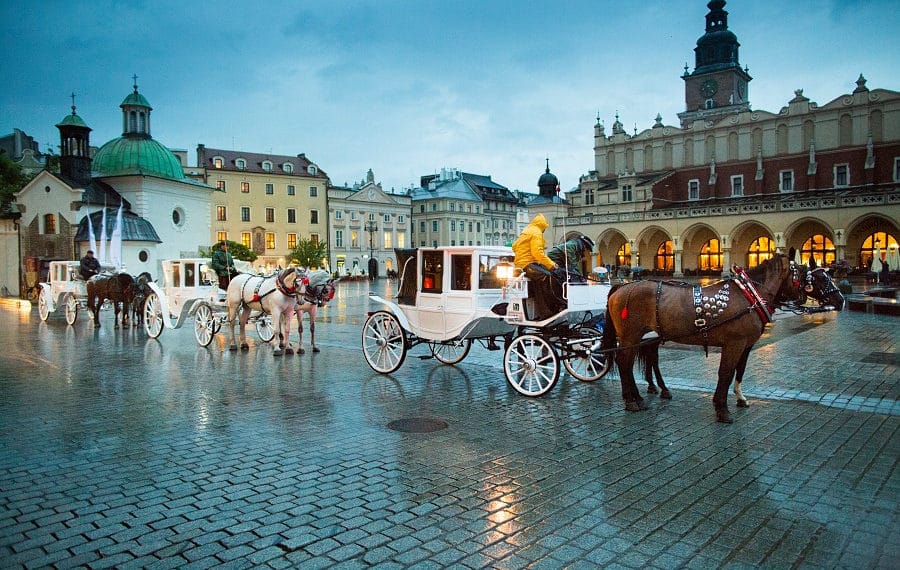
As far as the history of the city is concerned, there are some must-see places. The Wawel Royal Castle, erected at the end of the 16th century as the former seat of Polish rulers, their necropolis and the place where the history of Poland was shaped, is a monument inscribed on the UNESCO World Heritage List. Then there is the Barbican at St. Florian’s Gate, St. Mary’s Basilica with its unique altar by Veit Stoss, and the Cloth Hall at the Market Square. All these perfectly preserved monuments are located on the Royal Route, which leads to the most important monuments of Krakow. While admiring these places, it’s worth trying the local fresh bagel, as well as peeking into the dragon’s den to see if the Wawel Dragon is surely no longer terrorizing the city. This legend is sure to get all kids curious.
From the main square, go down to the underground! There is an exhibition presenting archaeological excavations from the years: 2005-2010.Archaeologists have reached as far as 5 meters below Krakow’s Main Square. They found there over 11 000 exhibits connected with salt, lead and copper trade and ancient life in Krakow.
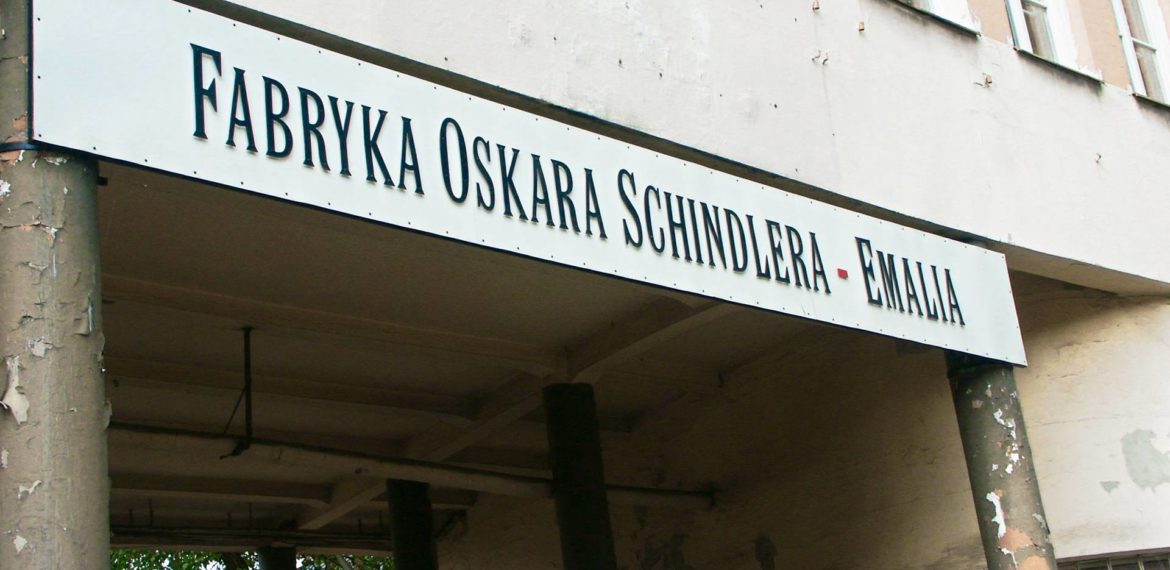
Another place that is besieged by tourists is the Jewish quarter of Kazimierz. There it is recommended to visit the historic streetcar depot (on Gazowa and Św. Wawrzyńca streets), the Gőtz Family Brewery, and Schindler’s Factory.
Crossing the Vistula River by the charming Father Bernatek’s Footbridge, you will reach the Podgórski Square reflecting the Italian city of Milan. Being there, it is worth turning into Andrzej Potebni street. This is the best place to start exploring the colorful stairs there. However, before you climb the first step, it is worth looking over your shoulder and take a look at one of the most interesting perspectives on St. Joseph’s Church.
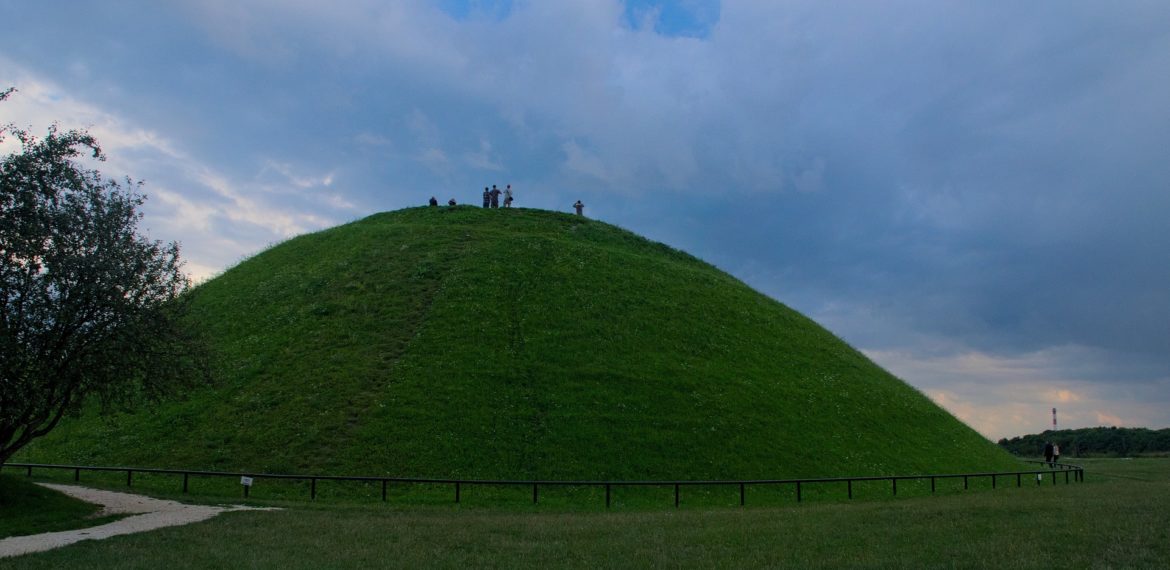
From Podgórze, be sure to head to the green Zakrzówek. It is known for its turquoise water reservoir, which is a remnant of the former quarry, and the Twardowski Rocks – a favorite place for climbers and fans of diving. On the way there is a short hike up the mountain to get to the Kościuszko Mound. It offers a panoramic view of Cracow and Blonia. This 48 hectare green area is a favorite place for the citizens, where they not only rest, but also run, rollerblade and ride bicycles. Currently, many mass events take place here, such as: the kite festival, sports competitions, concerts, festivals, etc. Right next to it there is also the National Museum in Cracow and the Jordan Park – a perfect place to relax and play with children.
Fans of walking and keen joggers will especially appreciate the Planty park surrounding the market square. They have an area of about 20 ha and surround the oldest part of Krakow. They are divided into 8 gardens, and their names derive from the neighboring buildings. The planted alleys of the Planty are a perfect place for a short rest before visiting the Wawel Castle.
Each of these places has its own unique atmosphere, with historic churches and monuments making a truly amazing impression. You can take a slow, leisurely stroll around these amazing places and document them in photographs. You can also sit down in nearby restaurants to taste the delicious specialties of chefs from all over the world.
Not far from Krakow
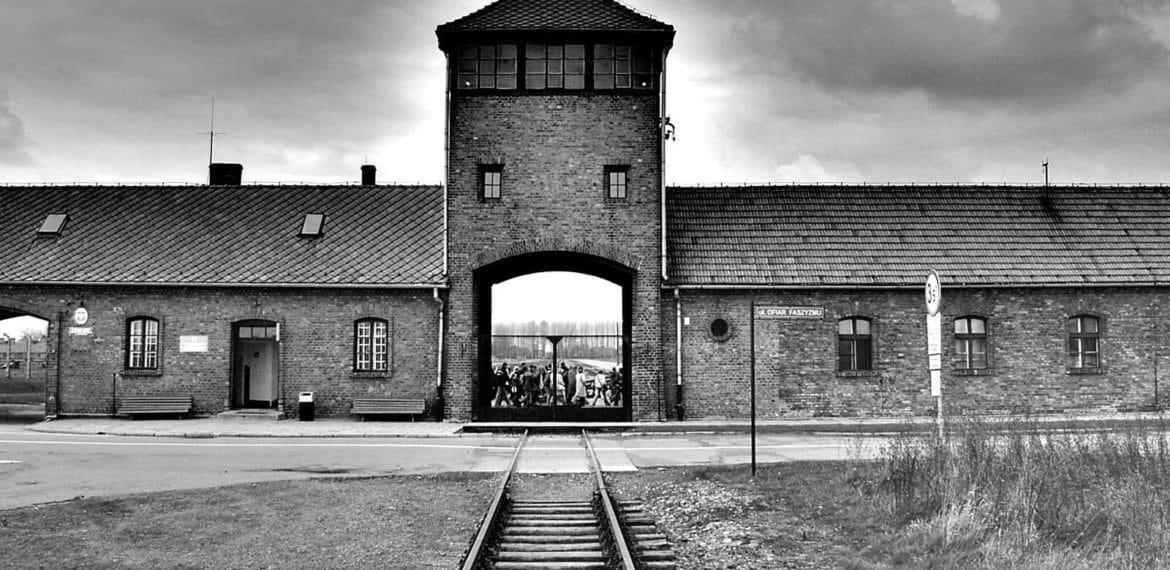
The former German concentration and extermination camp Auschwitz-Birkenau is not to be missed. Everyone should see it at least once in their life. It’s best to book a ticket in advance and choose a guided tour.
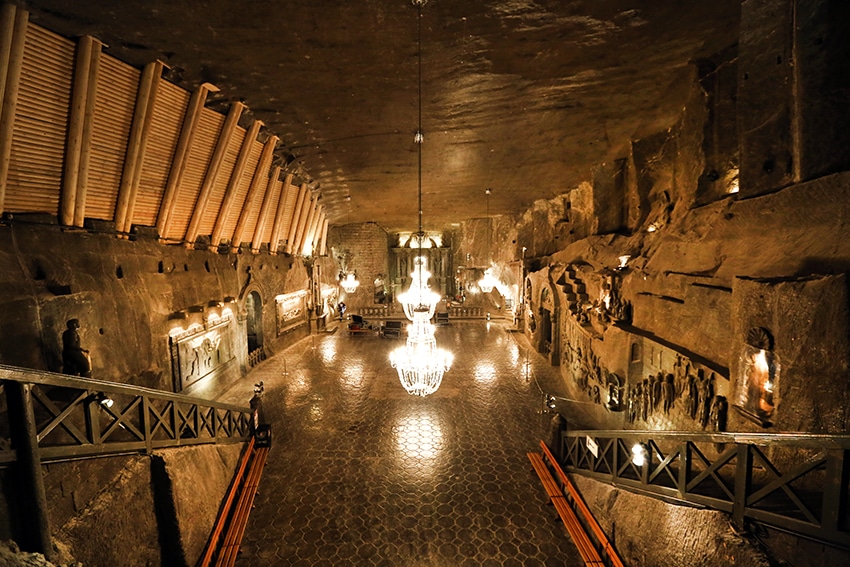
A combination of attractions, fun and history lessons are also offered by the Royal Salt Mines in Wieliczka and Bochnia. They are some of the oldest rock salt mines in the world and the longest running industrial plants. The historic Wieliczka Salt Mine was added to the UNESCO list in 1978 as one of the first 12 sites in the world, and in 2013 the Bochnia Salt Mine was added as well.
Museums, modern art, new technology and science
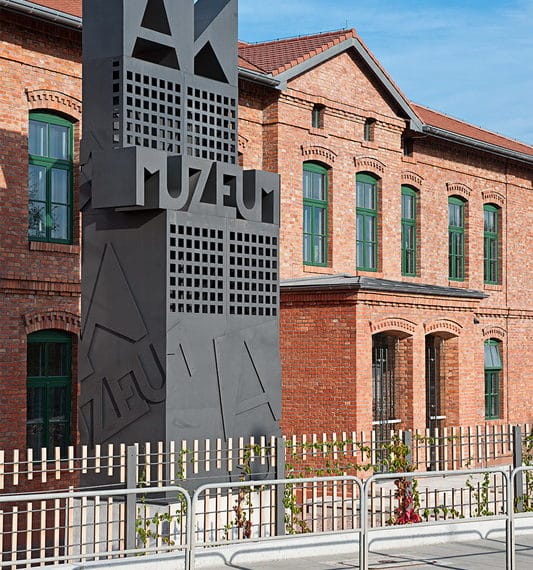
For fans of art and artistry, a visit to the National Museum in the center of Krakow is a must, as well as Mocak- a museum of modern art to broaden your horizons and get a taste of art in many dimensions.
Those curious about the war and its aftermath should also visit the Polish Airmen Park and the Polish Aviation Museum located there.
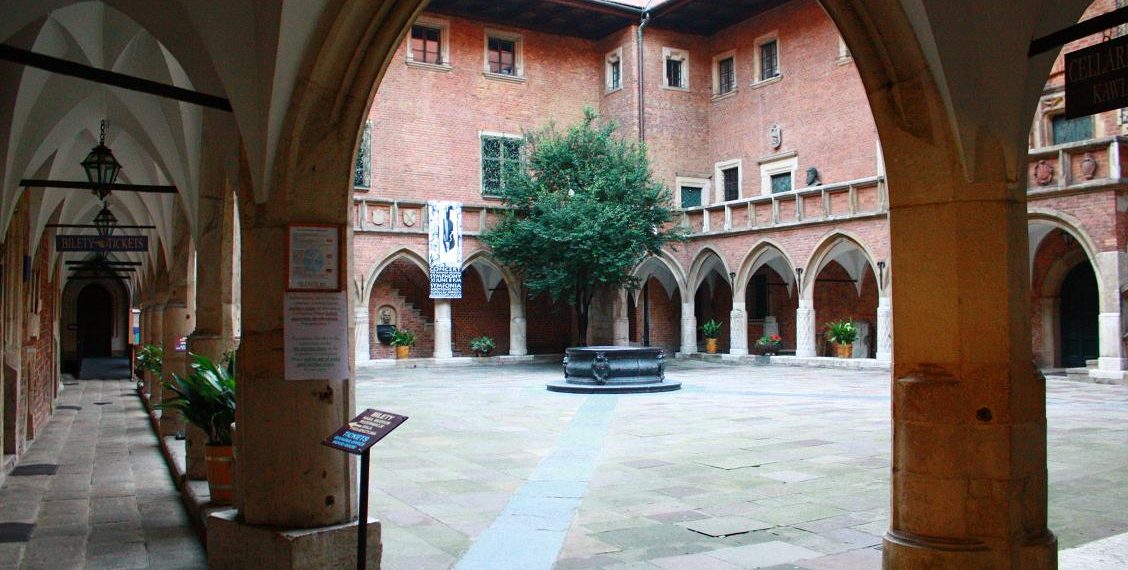
Scientists, PhD students and those who love science can feel and see how the oldest universities in Poland function and how they have developed. On the map of our city you can mark out the Collegium Medicum, the beautiful Botanical Gardens of the Jagiellonian University, the Pontifical University of John Paul II or the AGH University of Science and Technology.
The Krakow Technological Park and the Museum of Urban Engineering invite tourists who are curious about science and new technology.
Family weekend in Krakow
The city offers a wide range of attractions for parents with children. Regardless of age, for every toddler and teenager there will be something interesting. For fans of fun and swimming we recommend the Water Park with its many attractions, slides, relaxation area and gym.
Open all year Tauron Arena Krakow, provides many interesting events, matches, concerts and festivals for the whole family. Right behind the stadium were built beautiful water reservoirs with crystal clear water, commonly known as the Maldives of Krakow. You can spread a blanket there, have a picnic and use the offer of the Arena Garden zone, open during the summer months, where there are food trucks with an interesting offer of dishes, desserts and spirits.
For fans of greater excitement, right on the banks of the Vistula you can rise into the air and admire the views during a balloon flight. It is certainly an amazing experience.
What is more, on the roof of shopping center Bronowice a karting track was built. The place was created in cooperation with one of the creators in the automotive industry, namely Kamil Labudda. In order to promote the track, the famous YouTuber offered a prize of 10 000 PLN for the person who breaks the current track record.
Lowering the excitement and referring to those slightly younger tourists, it is definitely worth visiting the Live Museum of Bagel. Is bagel the same as pretzel? How are Krakow’s bagel made? The museum invites you on weekends to family workshops where you can bake them yourself!
An ideal proposal for a family visit, especially with children with a big age difference, is the Museum of Illusions Krakil. This is an interactive museum, where everyone will find something for themselves. It will delight both the teenager, preschooler, as well as the parent.
Near the beautiful Wolski Forest, on top of the mountain there is a beautifully arranged zoo that attracts crowds of tourists. You can see there animals from virtually every part of the world, as well as feed them. It is definitely a great attraction for children, as well as a chance to commune with nature.
Krakow in a slow rhythm
Krakow is a city of tradition, which successfully combines the achievements of the past with the requirements of a modern metropolis. Progressive development of communication and tourist infrastructure, combined with a huge number of historical buildings, museums, galleries, makes the current capital of Malopolska attract tourists motivated by different objectives. The city has a wide range of accommodation and catering facilities. Both in the center and on the outskirts, there are unique boutique apartments as well as international chain hotels. If after a day of excitement you want to eat and drink, there are restaurants around every corner that offer cuisine from all over the world. Whether on site or to take away, you can taste the creations of chefs trained by the world’s best.
The city’s attractive location at the confluence of several geographical areas, including the famous Krakow-Czestochowa Upland, makes it an excellent starting point for trips to one of the most charming parts of Poland. It is recommended to visit the beautiful Ojcow National Park, located near the center. There you can admire the wonderful creations of nature, flora and eat fresh or smoked trout.
Transport and communication
The great advantage of the city is very well developed communication and public transport. MPK buses, streetcars and PKP trains are available for everybody and offer their services throughout the city at low prices and very flexible hours. Moreover, there are many individual companies offering the possibility to rent a car or a private driver.
About 20 km from Krakow’s city center is the Balice International Airport, which is an excellent facility for visitors from abroad, as well as from other Polish cities who have decided to come to this city. This airport practically offers flights from most European countries, as well as those on other continents.
There are many options for tourists to get from the airport to Krakow. Both public transport, trains and private carriers offer their services practically 24 hours a day.
If there is no connection to Krakow’s airport, there is also a second airport nearby, Pyrzowice. Thanks to the well-developed public transport system and the adapted infrastructure, there is no problem to get from the airport to Krakow in a short time and in a comfortable manner. Here as well, both the city of Katowice and Krakow offer a wide range of public transport and private carriers to provide tourists with top class service.
The quintessence of Poland
It has to be said that Poland is a beautiful country with unique places. Every city has something special, something that attracts people. Krakow, not without reason, is called one of the most beautiful, or the most beautiful city in our country. Discover the unique capital of Małopolska and check out what makes so many people consider it so amazing that it attracts crowds from every corner of the world.